Commercial Electric Vehicle Charging Stations vs Alternatives: The Ultimate Comparison Chart

Engineers often analyze the technical distinctions between various power delivery systems when planning infrastructure for commercial ev charging stations. They evaluate how these setups differ from residential units in terms of output, durability, and integration capacity. By contrasting these technical specifications, they help facility managers determine which commercial electric vehicle charging station configuration aligns with the specific energy demands and traffic volume of their project site.
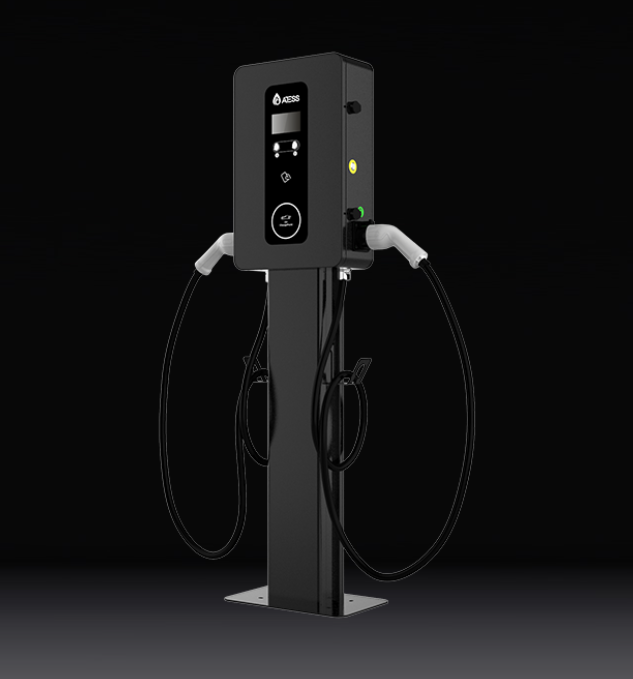
Performance and Capacity Factors
Technical output is a primary differentiator when comparing hardware options. A commercial electric vehicle charging station is typically engineered to support higher current flows and continuous operation, which differs significantly from smaller-scale alternatives. They observe that hardware used in commercial ev charging stations often includes advanced thermal management and robust communication interfaces to handle intensive usage patterns. These design elements ensure that the equipment maintains stability while delivering power, which is necessary for sites requiring consistent availability for multiple users throughout the day.
Environmental Resilience and Construction
Durability remains a core requirement for infrastructure deployed in public or semi-public areas. Atess designs their charging hardware with protective enclosures that meet international ingress ratings, ensuring they withstand varied environmental conditions. When they install a new commercial electric vehicle charging station, they verify that the physical housing protects internal electronics from moisture and dust. This attention to equipment integrity prevents premature failures and maintains the functional lifespan of the charging hardware, regardless of its location or exposure.
Strategic Implementation and Management
Professional project planning involves assessing the long-term maintenance needs of the chosen infrastructure. Atess provides detailed technical documentation to assist teams with the correct configuration and upkeep of commercial ev charging stations. By adhering to these rigorous guidelines, they ensure that the hardware remains compliant with regional electrical codes and operational safety requirements. This systematic approach allows them to provide a reliable service for vehicle owners while protecting the physical assets from the stresses of daily use, ensuring stable and efficient power delivery for the facility.
