SUNJOY includes structured wood-burning models in its range of Outdoor Fireplaces, and their chimneys, mesh doors, grates, ash pans, and fire tools can support more controlled use than an open flame on bare ground. Those features are helpful, but an outdoor wood burning fireplace still calls for deliberate placement, suitable fuel, constant supervision, and a deliberate shutdown routine.
Safe enjoyment begins before the first log is lit. The fireplace must stand on a stable, noncombustible surface and maintain the clearances listed in its manual. Nearby branches, fences, cushions, decorations, and roof overhangs can create hazards even when the fire appears small, so the surrounding area needs inspection each time the unit is used.
Weather and local rules also shape a responsible plan. Dry conditions, strong wind, air-quality restrictions, or temporary burn bans may make a planned evening unsuitable. Outdoor fireplaces are leisure features instead of emergency heating devices, and postponing a fire is the correct decision whenever conditions fall outside the manufacturer’s instructions or local regulations.
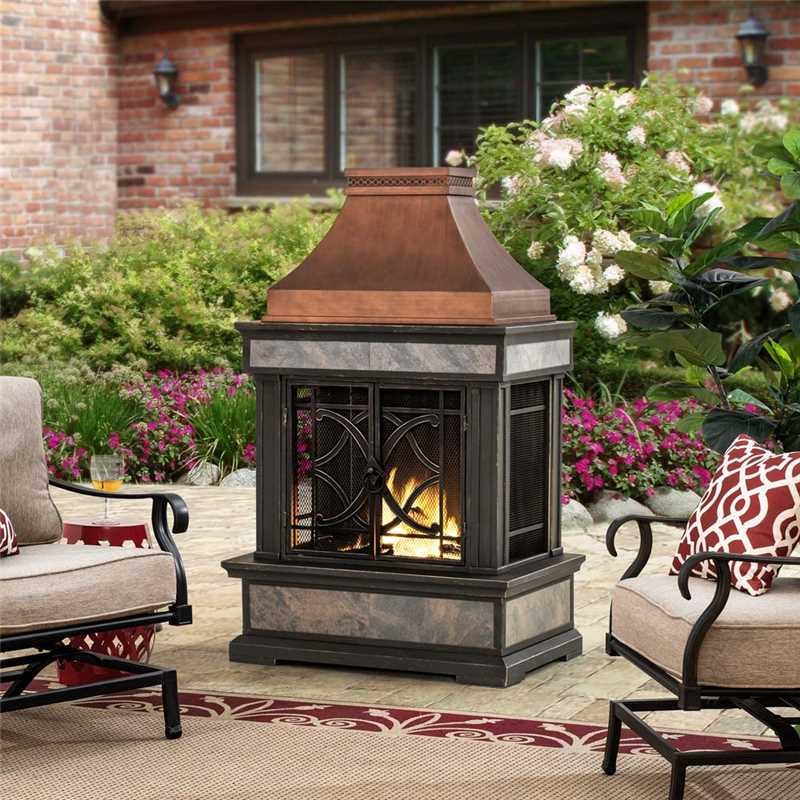
Prepare the Site, Fuel, and Safety Equipment
A level masonry, concrete, or otherwise approved noncombustible base helps prevent movement and keeps embers away from combustible ground cover. The owner should confirm that the chimney can release smoke without directing it toward doors, windows, seating, or neighboring property. Clear access around the outdoor wood burning fireplace also gives an adult room to manage the fire without stepping over furniture.
Dry, seasoned firewood typically burns more predictably than damp or freshly cut wood. Painted lumber, treated wood, household waste, plastics, and glossy paper can release unwanted smoke or damage the unit, so they do not belong in the firebox. Logs should fit the grate without leaning against the screen or extending beyond the designed combustion area.
An appropriately rated fire extinguisher or another extinguishing method approved by the manufacturer should remain accessible, although emergency equipment does not replace supervision. Long-handled tools make it easier to adjust a log while keeping hands away from heat. Loose clothing, children, pets, and alcohol consumption all require additional control around Outdoor Fireplaces.
Before ignition, the mesh screen, doors, grate, chimney opening, and ash pan require a check for damage or blockage. Leaves and old ash can restrict airflow or conceal hot material from a previous use. An outdoor wood burning fireplace with a cracked component, unstable base, or missing screen ought to remain unused until the problem is corrected.
Manage the Fire Without Overloading the Unit
A small, gradual fire is easier to control than a firebox filled at once. The operator can begin with approved kindling and add one properly sized log after the flame is established. Excess fuel may push heat beyond the intended operating range, increase sparks, and make the fire harder to extinguish at the end of the evening.
The spark screen ought to remain in its operating position whenever the design calls for it. Mesh can limit escaping embers, yet it cannot stop every spark or compensate for strong gusts. Seating should therefore remain outside the stated clearance zone, and combustible blankets, serving carts, or decorations should not migrate closer as guests settle around the outdoor wood burning fireplace.
Smoke behavior offers useful warning signs. A chimney normally encourages upward movement, but downdrafts, damp fuel, or blocked airflow can send smoke toward the patio. If smoke repeatedly spills from the opening, adding more wood is not a solution; the fire should be reduced and the cause investigated after the unit has cooled.
No fire should be left unattended, even when only glowing coals remain. One responsible adult needs to stay present until active combustion has ended and the shutdown process is complete. Outdoor Fireplaces should not be operated beneath temporary canopies, inside enclosed porches, or in locations where the manual prohibits their use. Fuel storage, ash handling, and weather conditions all belong in the fireplace safety routine.
Cool, Clean, and Cover the Fireplace Correctly
At the end of use, no additional fuel should be added merely to extend the evening. The remaining wood can burn down under supervision, and the fire should be extinguished by the method permitted for that model. Sudden soaking may damage hot materials in some units, so the manual should guide the final procedure instead of habit or guesswork.
Ash can retain heat long after flames disappear. It should stay in the appliance until completely cold, then move to a noncombustible container with a secure lid if disposal is required. The container ought to remain away from buildings and combustible waste. Warm ash must never be placed in a plastic bin, paper bag, compost pile, or garden bed.
Once cool, the grate, ash pan, screen, and firebox may be inspected and cleaned according to their materials. Moisture, acidic residue, and trapped debris may shorten service life if they remain between uses. A protective cover belongs only on a fireplace that is fully cool and dry, because covering residual heat or moisture creates a different set of risks.
Safe use is therefore a repeated process of preparation, restraint, supervision, and careful cleanup. SUNJOY offers practical features on selected models, but the owner’s decisions determine how those features are used. With clearances respected and every ember managed, an outdoor wood burning fireplace can serve as an orderly focal point instead of an avoidable source of danger.

